

Some innovations are created to solve a very specific need and end up changing the lives of millions of people.
This is exactly what the curb-cut effect explains, also known as the ramp effect or curb-cut effect. The term refers to solutions initially designed for people with disabilities that end up benefiting a much wider population.
The clearest example is curb ramps. They were designed so that wheelchair users could move around the city with greater independence. Today, they are also used by families with baby strollers, older people, travellers with suitcases, delivery workers, cyclists, and anyone who needs to move around more easily. Accessibility improves everyday life for everyone.
For a long time, accessibility was seen as an afterthought. Something added once the product, building, service or experience had already been designed.
However, the best solutions appear when accessibility is included from the very beginning. When we design with the people who face the greatest barriers in mind, the results are often clearer, more comfortable, more intuitive and more useful for everyone.
The World Health Organization reminds us that assistive technology helps maintain or improve people’s autonomy, participation and quality of life. That impact is not limited to one specific group: it is directly connected to population ageing, independent living and the need to build more inclusive environments.
Subtitles are one of the best examples of this effect.
They were developed so that deaf people or people with hearing loss could access audiovisual content. Today, they are used by millions of people who watch videos without sound, learn languages, consume content in noisy environments or simply prefer to read while listening.
Research on subtitling shows that subtitles are especially beneficial for deaf people or those with hearing difficulties, but also for people watching videos in a language that is not their own, for children and adults learning to read, and for many other users.

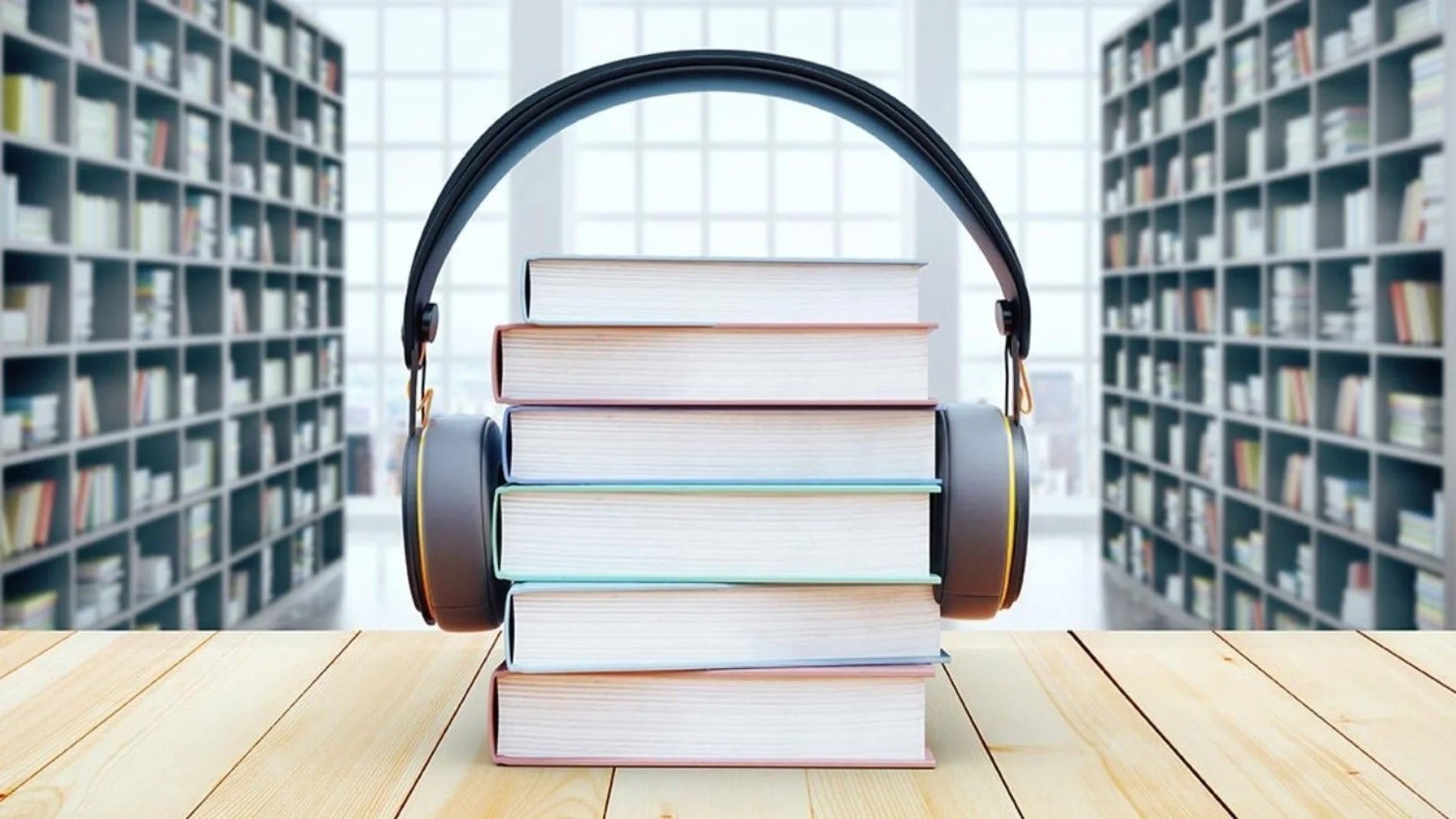
Audiobooks also have a history deeply connected to accessibility.
“Talking book” services were created to make reading more accessible for blind people and people with visual impairments. Over time, that solution became a mainstream format used by people who listen to books while walking, travelling, driving or doing other activities.
What began as a response to an access barrier ended up expanding the ways in which everyone can read.
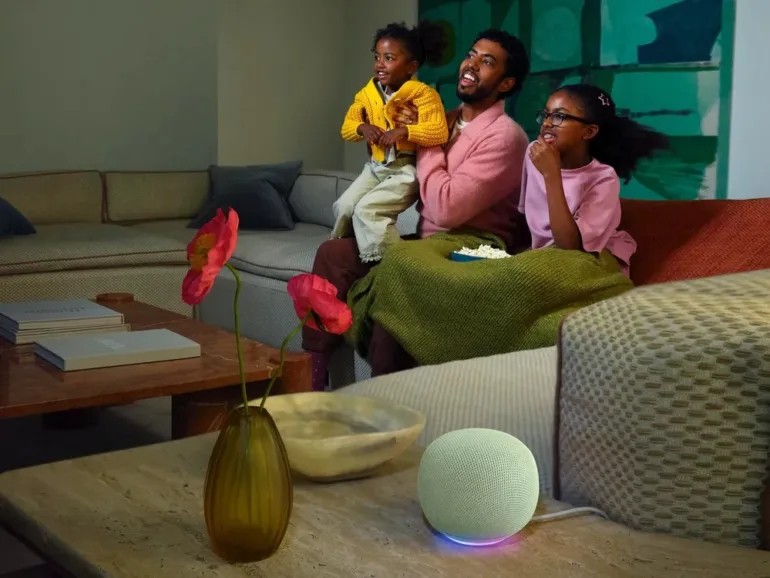
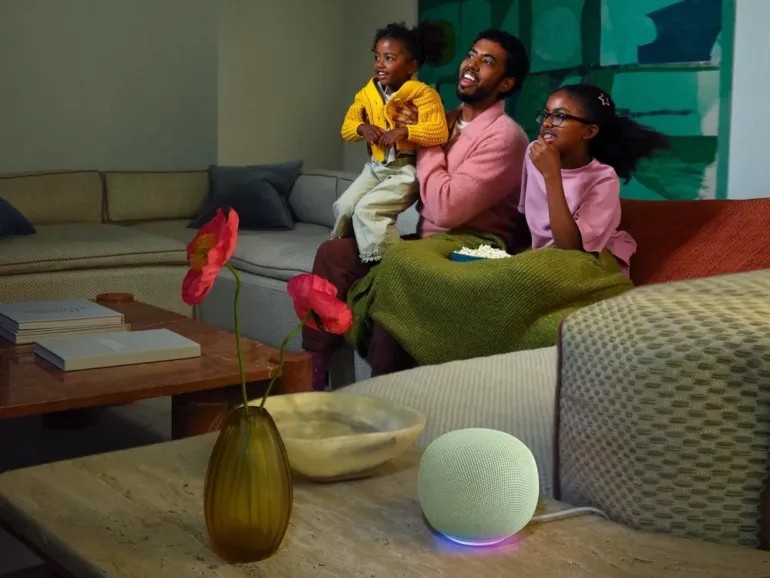
Voice assistants, automatic dictation and spoken interfaces also show how accessibility drives innovation.
For many people with motor, visual or cognitive disabilities, controlling a device by voice can be a powerful tool for independence. It makes it possible to turn on lights, make calls, write messages, search for information or control elements of the home without constantly depending on another person. Studies on voice assistants highlight precisely their potential to support the autonomy of people with disabilities.
Today, this technology is part of everyday life for millions of users. We use it to play a song, check the weather, dictate a message or set an alarm. A tool that reduces barriers also makes life easier for everyone.
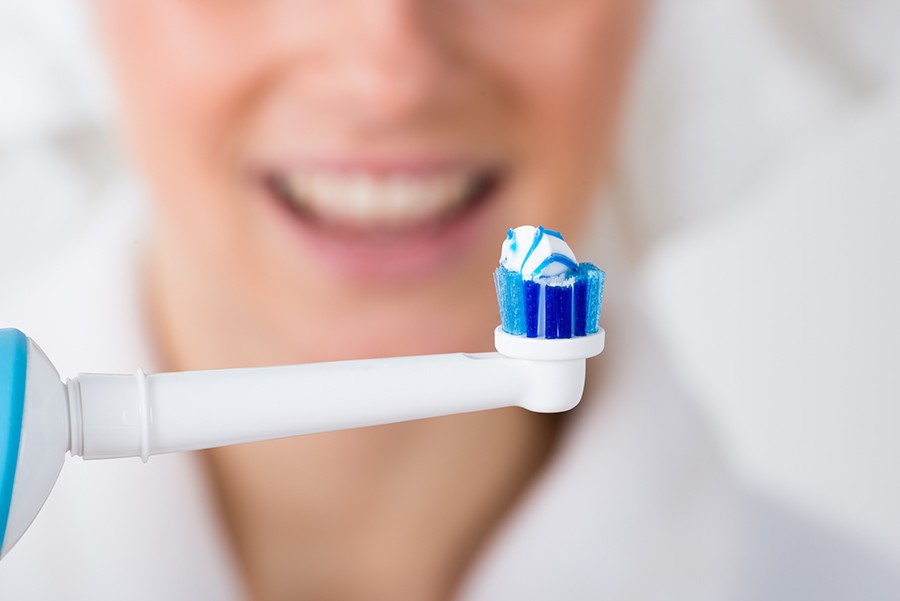
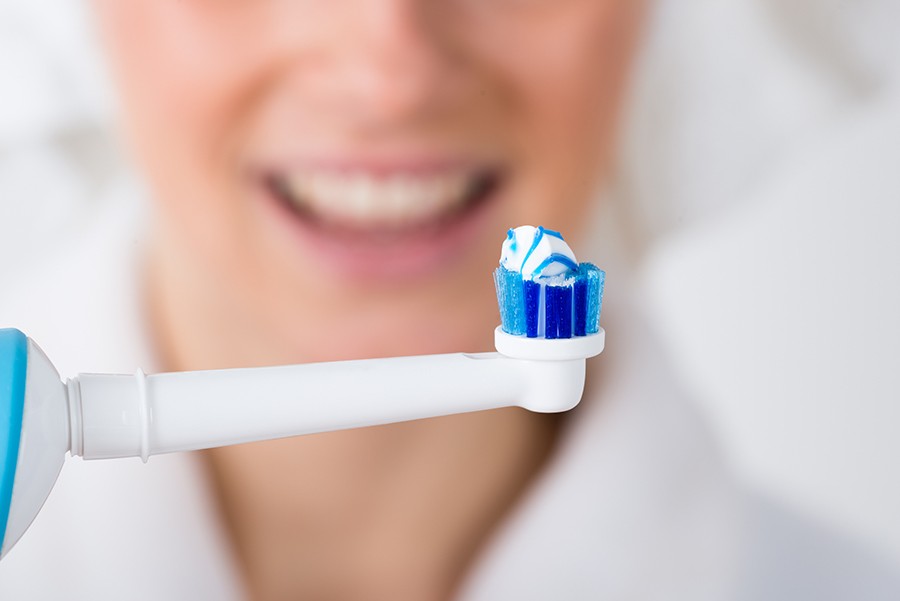
Another less well-known example is the electric toothbrush. The first solutions of this kind were developed with people who had limited strength, mobility or manual dexterity in mind. Today, they are part of the daily hygiene routine of millions of people who choose them for their convenience, effectiveness and ease of use.
Again, the logic is the same: when a product makes a task easier for those who have the most difficulty, it can also improve the experience for everyone else.
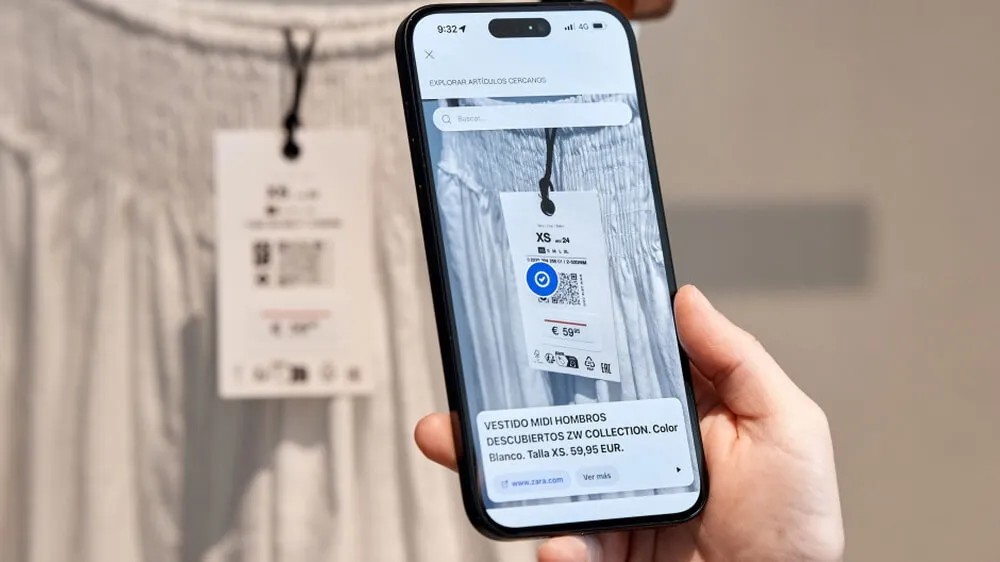
A recent and powerful example is the collaboration between Inditex, Fundación ONCE / Inserta and NaviLens to develop accessible labels in stores.
The initiative will allow blind people and people with visual impairments to identify garments and independently access information such as size, price, colour or composition. The system is being rolled out progressively across the group’s brands and is expected to be operational in more than 5,400 stores by the spring-summer 2027 season.
NaviLens technology makes it possible to read codes from different angles and distances, without needing to focus precisely. Although it is designed for people with visual impairments, it can also provide value to other users: older people, tourists, customers who do not speak the local language, or consumers who prefer to receive information in a clearer and faster way.
This type of innovation shows that accessibility can transform everyday experiences as simple as buying clothes.
The curb-cut effect teaches us a very clear lesson: designing for accessibility doesn't shrink the market, it expands it.
A ramp doesn't just help a person in a wheelchair. Subtitles don't just help a deaf person. Audiobooks don't just help a blind person. Accessible labels don't just help a person with a visual impairment.
All these solutions create more comfortable, more human, and easier-to-use environments.
At Accessible Madrid, we see this reality every day. When a person with reduced mobility can travel with their family, when a customer finds the mobility product that fits their lifestyle, when a hotel, website, or service is designed with everyone in mind, accessibility ceases to be an adaptation and becomes a way of caring.
Accessibility, when properly understood, improves autonomy, safety, the customer experience, and the quality of service.
And, above all, it opens up possibilities.
Because a more accessible world is a world where more people can travel, shop, get around, communicate, participate, and live with greater freedom.