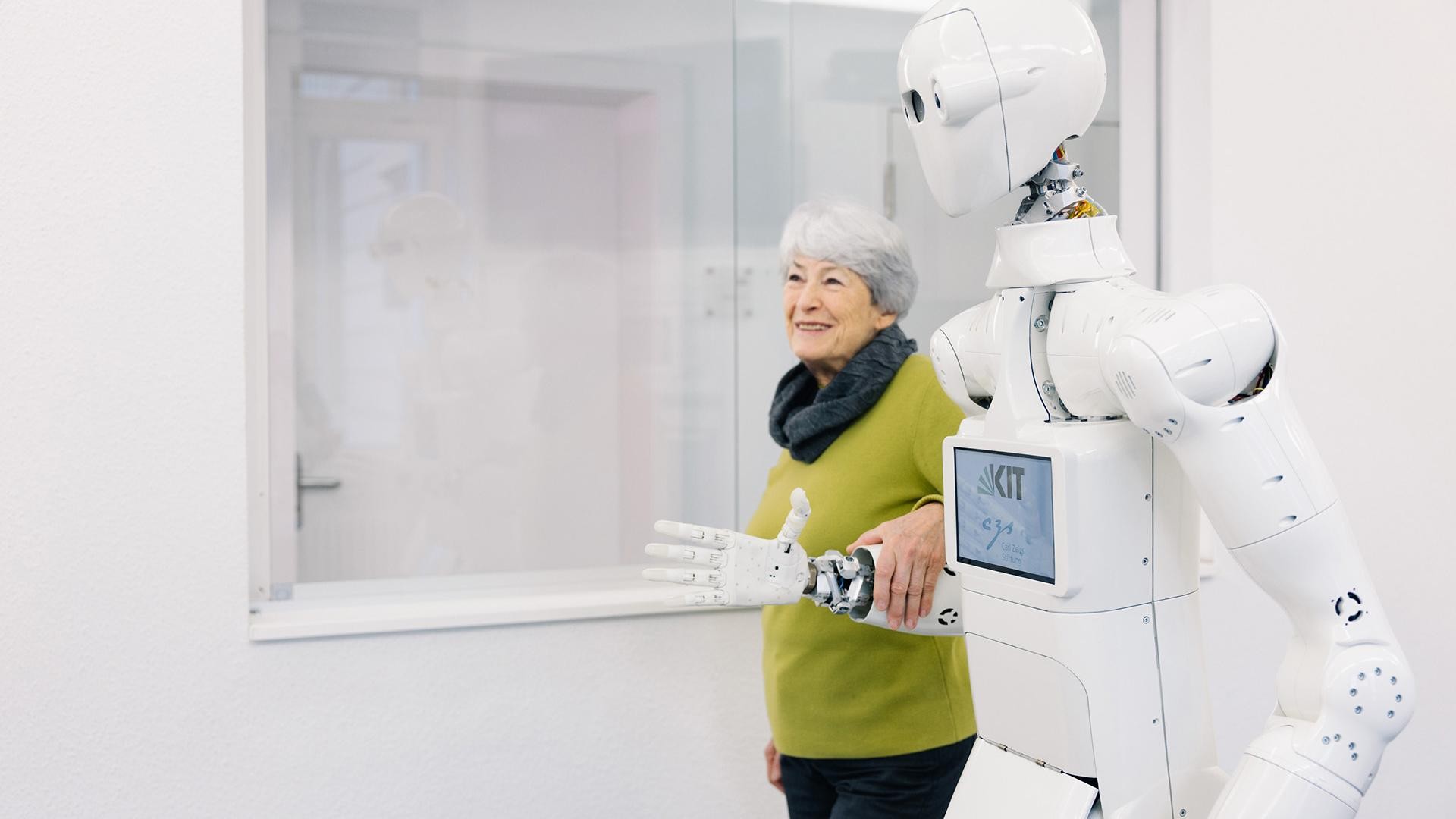

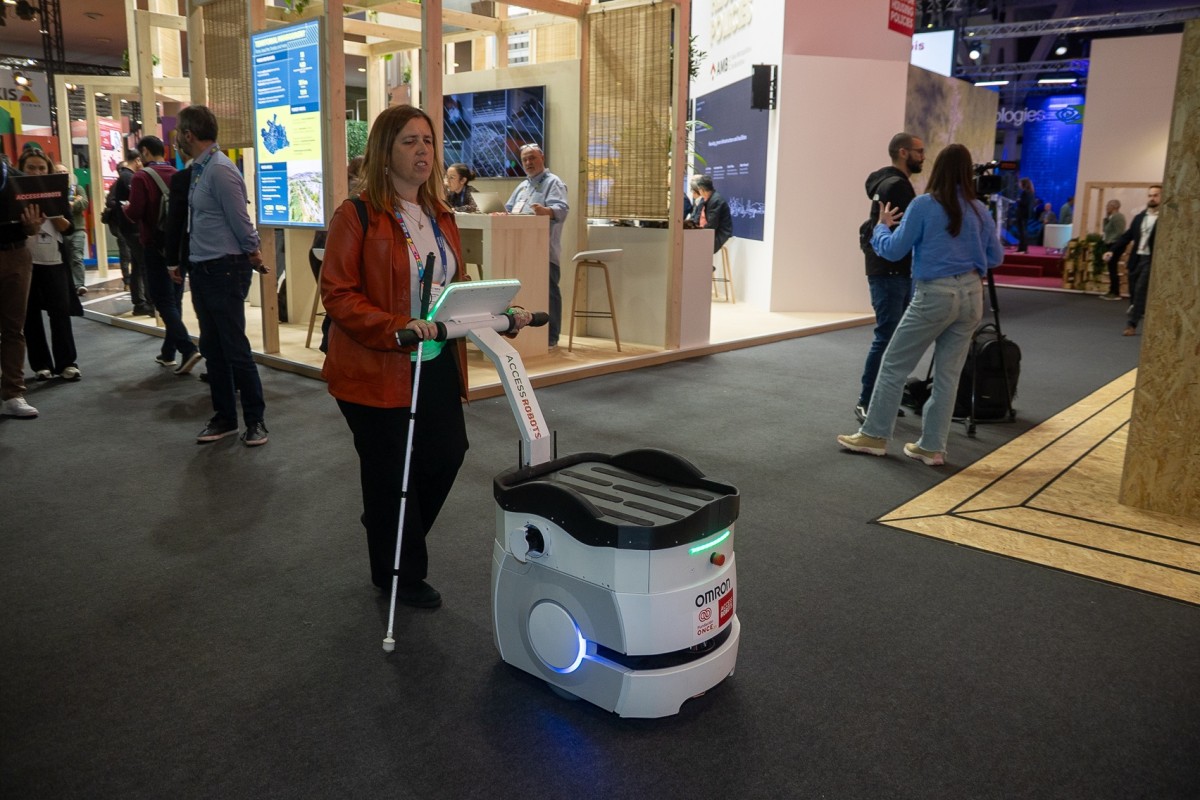


Assistive robotics is no longer a promise of the future; it is a reality that is already beginning to improve autonomy, mobility, and quality of life for many people, especially those with reduced mobility, disabilities, or special needs.
At Accessible Madrid, we closely follow the evolution of these technologies because we firmly believe that innovation applied to people is one of the most effective ways to achieve real inclusion.
Assistive robots are technological devices designed to help, support, or complement human capabilities in everyday tasks related to mobility, orientation, information, care, or physical assistance.
They do not replace people; instead, they enhance autonomy, reduce barriers, and facilitate interaction with the environment.
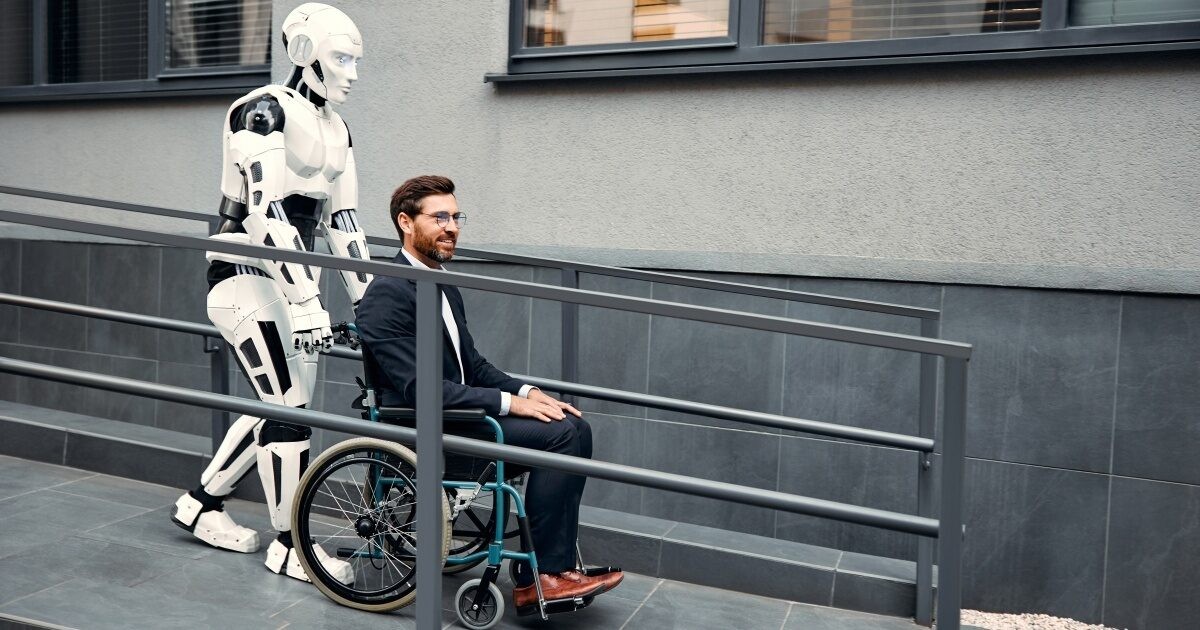
Today, assistive robots primarily provide:
This is not just about technology, but about dignity, freedom, and quality of life.
In the home, assistive robots already offer very clear benefits:
These systems allow many people to remain in their own homes for longer, delaying or avoiding institutional care.
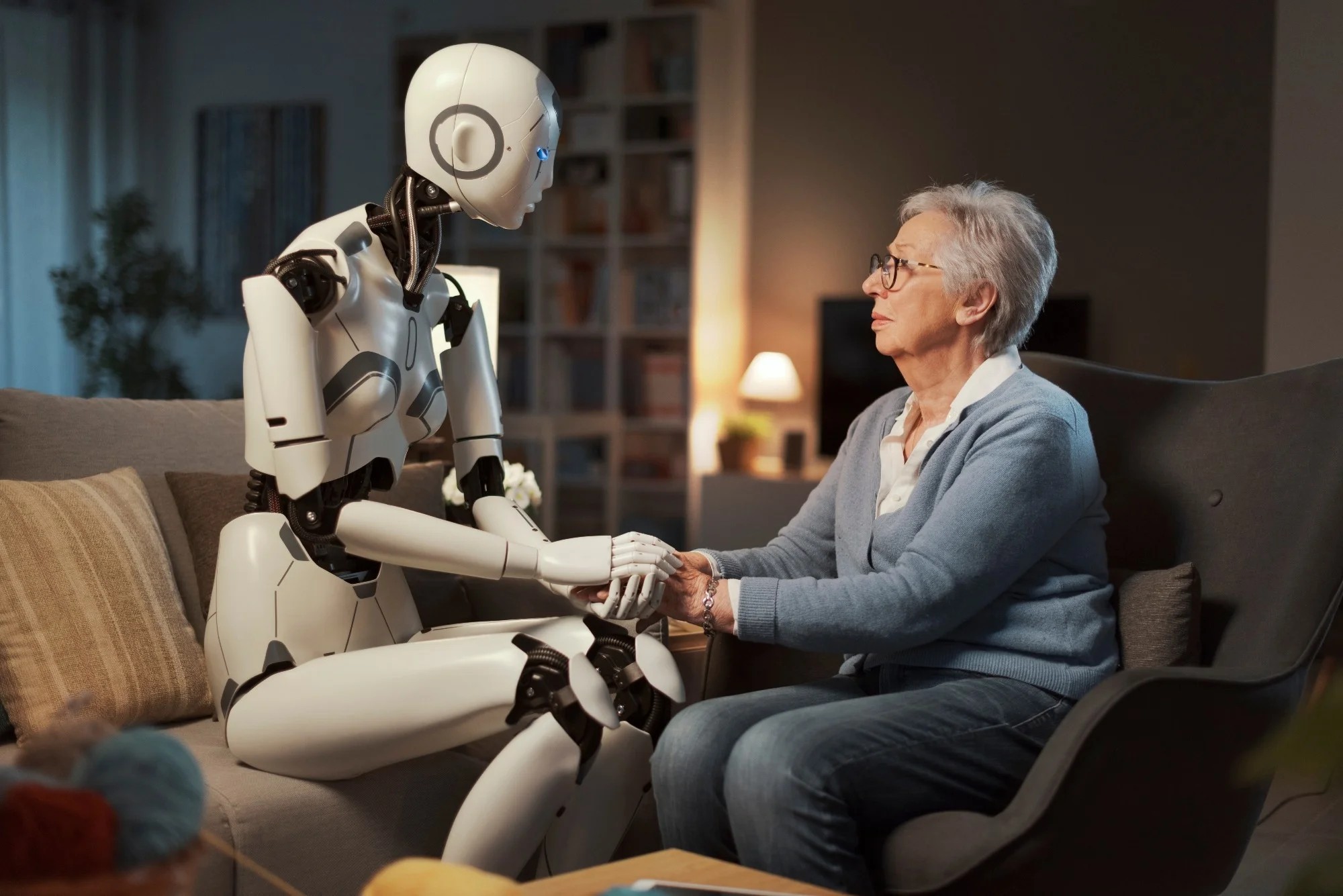
In healthcare environments, assistive robotics provides:
In addition, they free up valuable time for healthcare professionals to focus on higher-value care tasks.
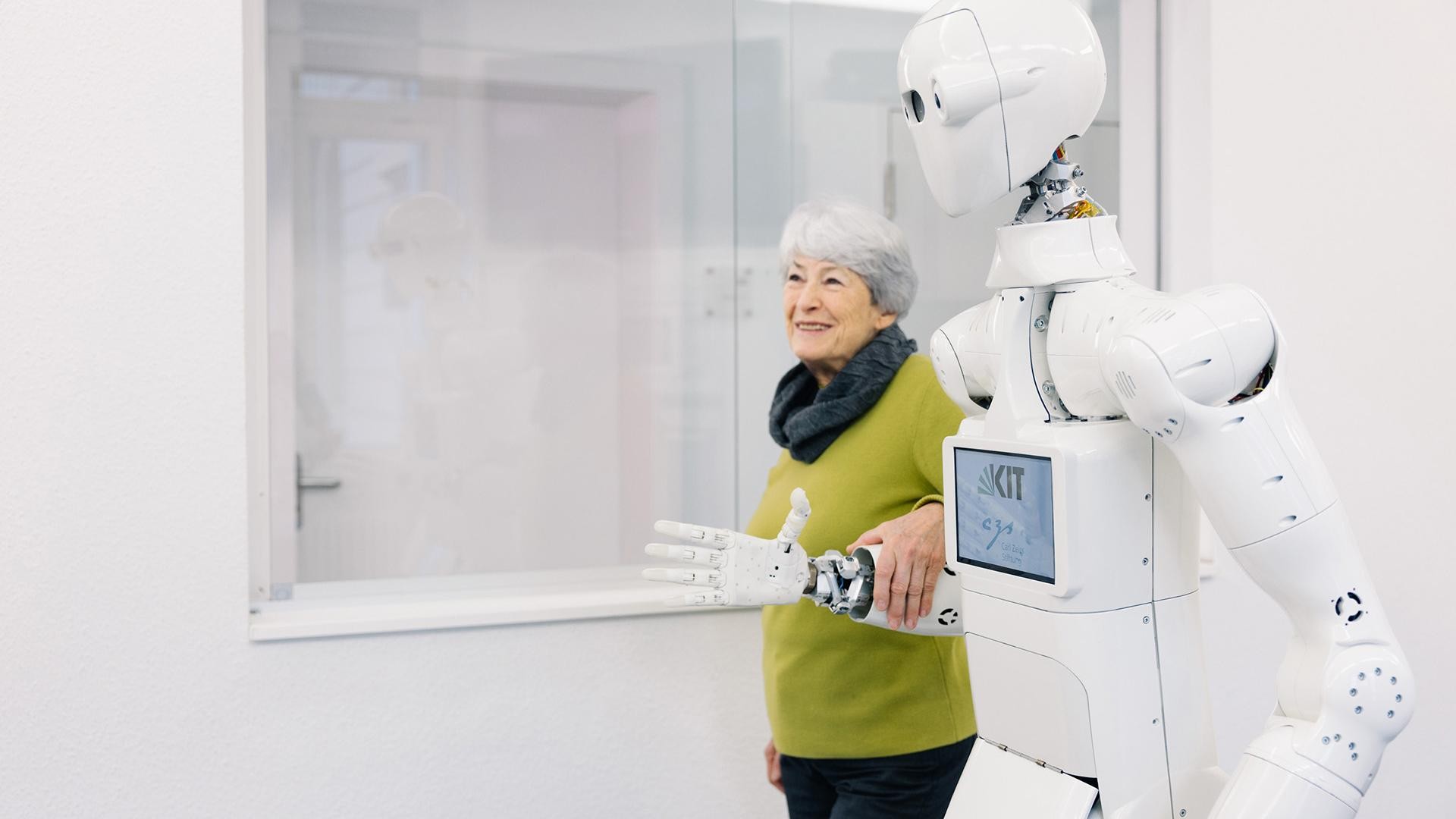
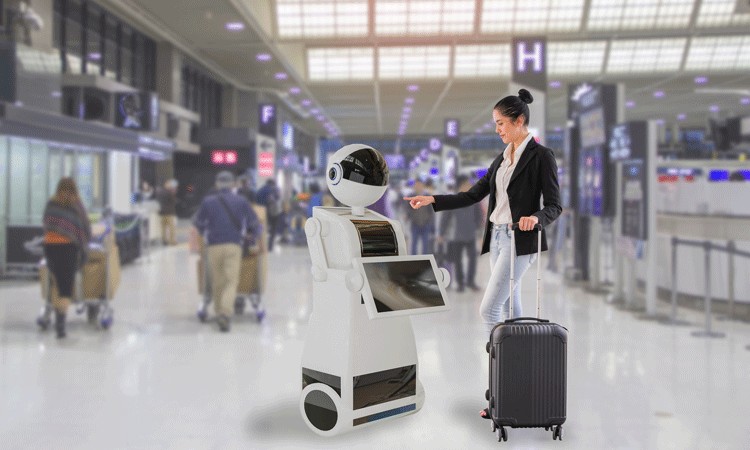
In large and complex spaces, assistive robots are especially useful for:
For many users, these robots represent a radical improvement in the travel experience.
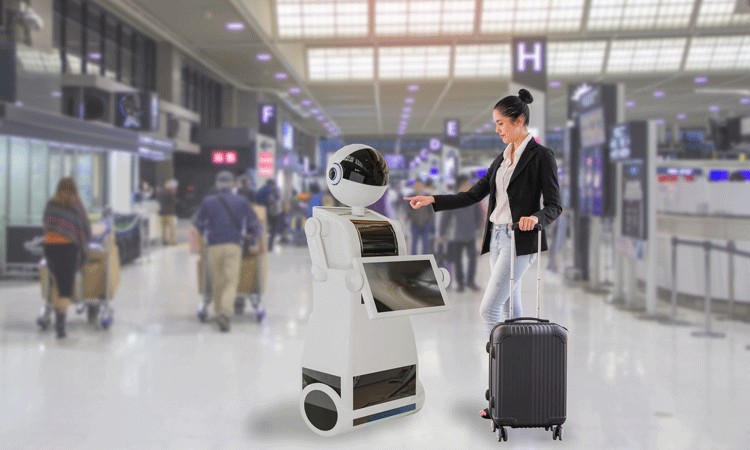
In shopping centres, assistive robots can:
Accessibility thus becomes a real competitive advantage.
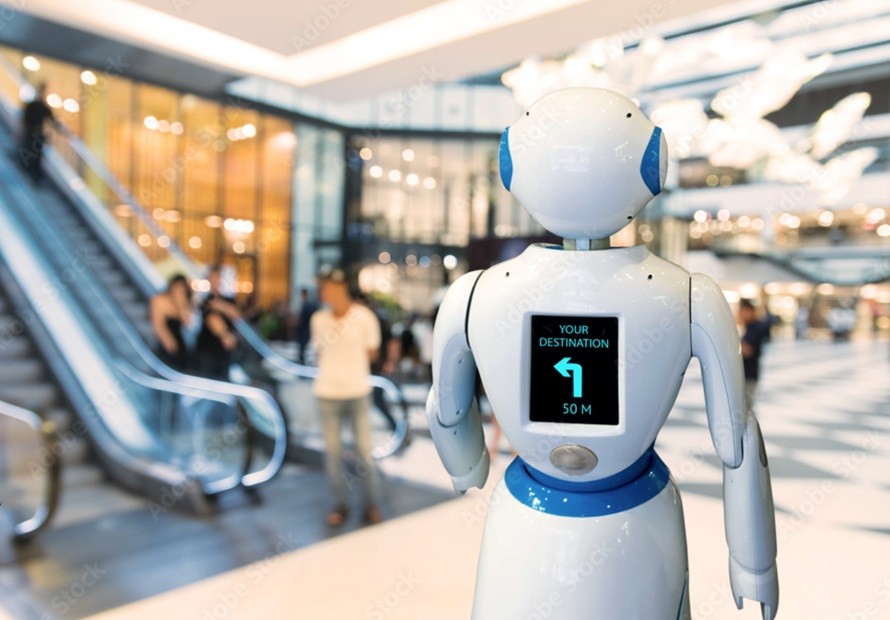
At professional conferences and events, assistive robots provide:
They enable people with reduced mobility to participate on equal terms.
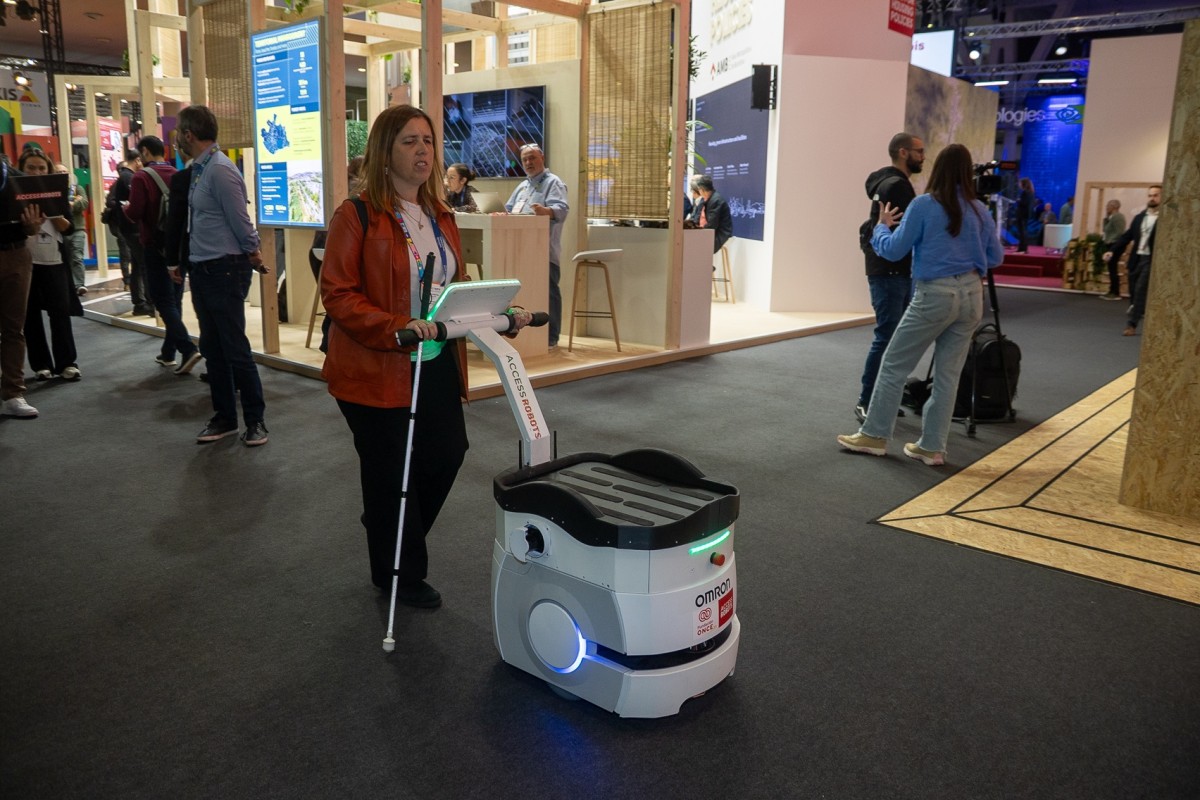
As these technologies continue to evolve, we will see key advancements:
In the future, assistive robots will become a standard tool for universal accessibility, just as lifts and ramps are today.
At Accessible Madrid, we believe that the true value of technology lies in putting it at the service of people.
Assistive robots are not here to replace human care, but to complement it and make it more inclusive.
Investing in technological accessibility means investing in a fairer, more autonomous, and better-prepared society for the future.
Assistive robots are already transforming homes, hospitals, airports, stations, conferences, and public spaces.
Today they improve mobility and autonomy; tomorrow they will redefine how we understand accessibility.
The inclusion of the future is built today.