The International Tourism Trade Fair (FITUR) 2026, held from January 21 to 25 at IFEMA Madrid, has once again placed accessibility at the forefront of the global tourism agenda. The consolidation of FITUR 4all, the dedicated space focused entirely on accessible tourism, confirms an irreversible shift: the tourism industry is moving toward a more inclusive model, where travel must be a safe, dignified, and attainable experience for everyone, regardless of their physical abilities.
This initiative, now in its third edition, has firmly established itself as a key meeting point for destinations, companies, and industry professionals committed to removing barriers and advancing accessibility within the tourism sector.
During the professional conference held on January 23, national and international experts shared strategies, success stories, and innovative projects demonstrating that accessibility is not only a matter of fundamental rights, but also a critical factor in strengthening competitiveness for destinations and tourism businesses.
Among the main topics discussed were:
Furthermore, the presentation of the second volume of the Best Practices Guide in Accessible Tourism highlights real-world examples of destinations and companies that have successfully integrated accessibility as a core element of their tourism offering.
FITUR also hosted the third edition of the FITUR 4all Awards, recognizing organizations that are leading the way in developing innovative accessibility and inclusion solutions.
These initiatives reflect a structural shift within the industry: accessibility is no longer viewed as an optional feature, but rather as a fundamental component of the tourism experience.
The growing focus on accessible tourism is part of a broader transition toward a more sustainable, responsible, and inclusive tourism model. According to the Global Sustainable Tourism Council (GSTC), the industry is progressively integrating sustainability and accessibility as essential pillars of its long-term development.
As one of the world’s leading tourism destinations, Spain has a unique opportunity to lead this transformation, strengthening its position as an accessible, competitive, and forward-thinking destination on the global stage.
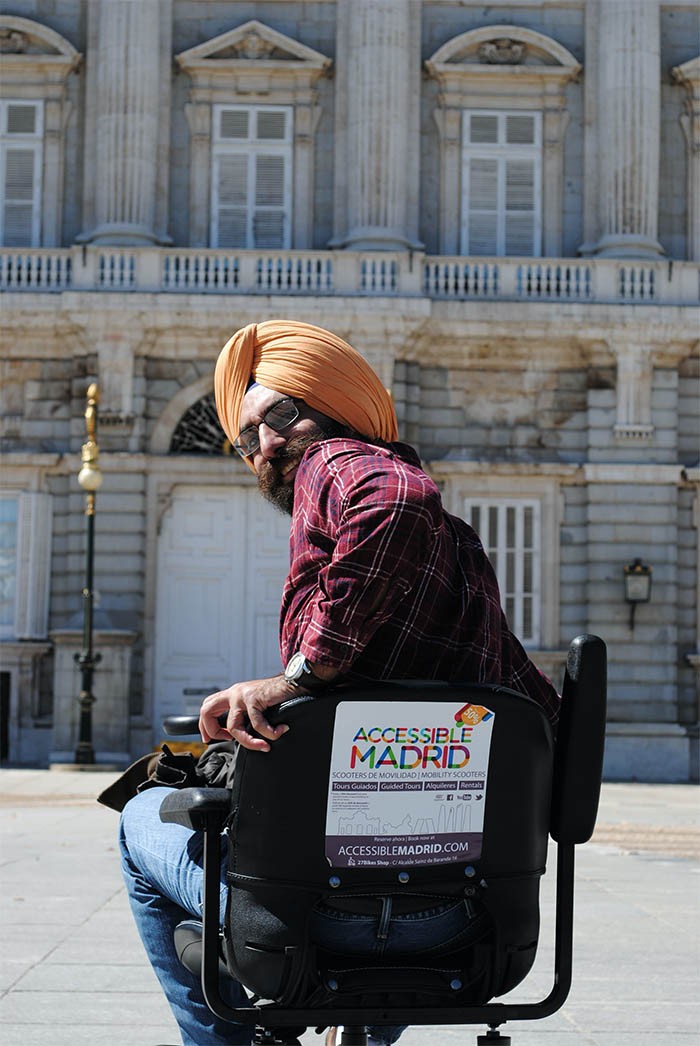
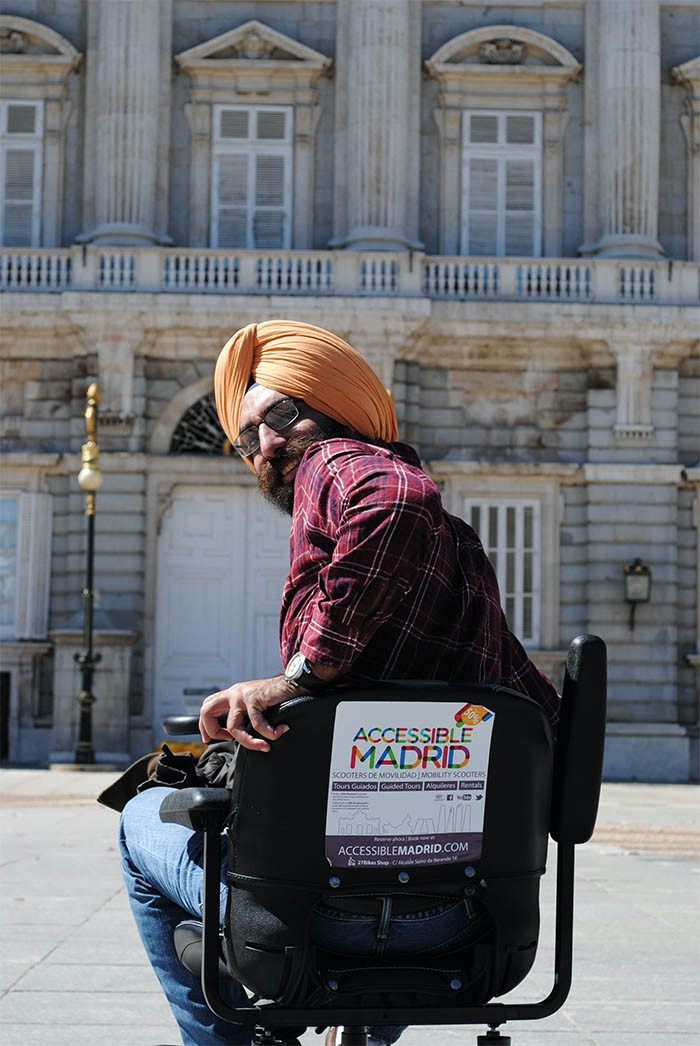
Since its founding in 2013, Accessible Madrid has been actively working to promote, support, and advance accessible tourism in Spain, anticipating a trend that has now become a strategic priority for the global tourism sector.
Over the years, Accessible Madrid has contributed to:
This long-term commitment has positioned Accessible Madrid as a leading reference in accessible tourism in Spain, helping make Madrid and other national destinations increasingly inclusive and accessible for all travelers.
The growing prominence of accessibility at FITUR 2026 confirms an increasingly clear reality: accessible tourism is not a passing trend, but a structural transformation of the tourism industry.
It is estimated that more than 135 million people in Europe live with some form of disability, in addition to millions of older adults who also require accessible solutions. This segment represents not only a social responsibility, but also a significant economic opportunity for destinations and businesses that are prepared to adapt.
Initiatives such as FITUR 4all demonstrate that the industry is moving in the right direction. However, real progress depends on the effective implementation of accessible solutions, the commitment of specialized companies, and the development of high-quality inclusive travel experiences.
Accessible Madrid will continue working toward this goal, helping Spain strengthen its position as one of the world’s leading accessible tourism destinations.